
Breathing New Life into Historic Staircases and Handcrafted Balustrades
If you own a Century Home in the historic neighborhoods of the Lower City, you already know that older houses have a unique soul. One of the most breathtaking architectural features of these properties is often the main staircase. It isn't just a way to get to the second floor; it is the grand centerpiece of the home, greeting every guest who walks through the front door. However, time, daily wear, and fluctuating temperatures can take a heavy toll on antique woodwork.
At Plume Fine Carpentry, we understand the delicate balance of preserving your home's historic charm while ensuring it remains safe, functional, and beautiful for generations to come. When it comes to restoring antique hardwood banisters and spindles, it takes a specialized eye and an unwavering commitment to quality to do the job right.
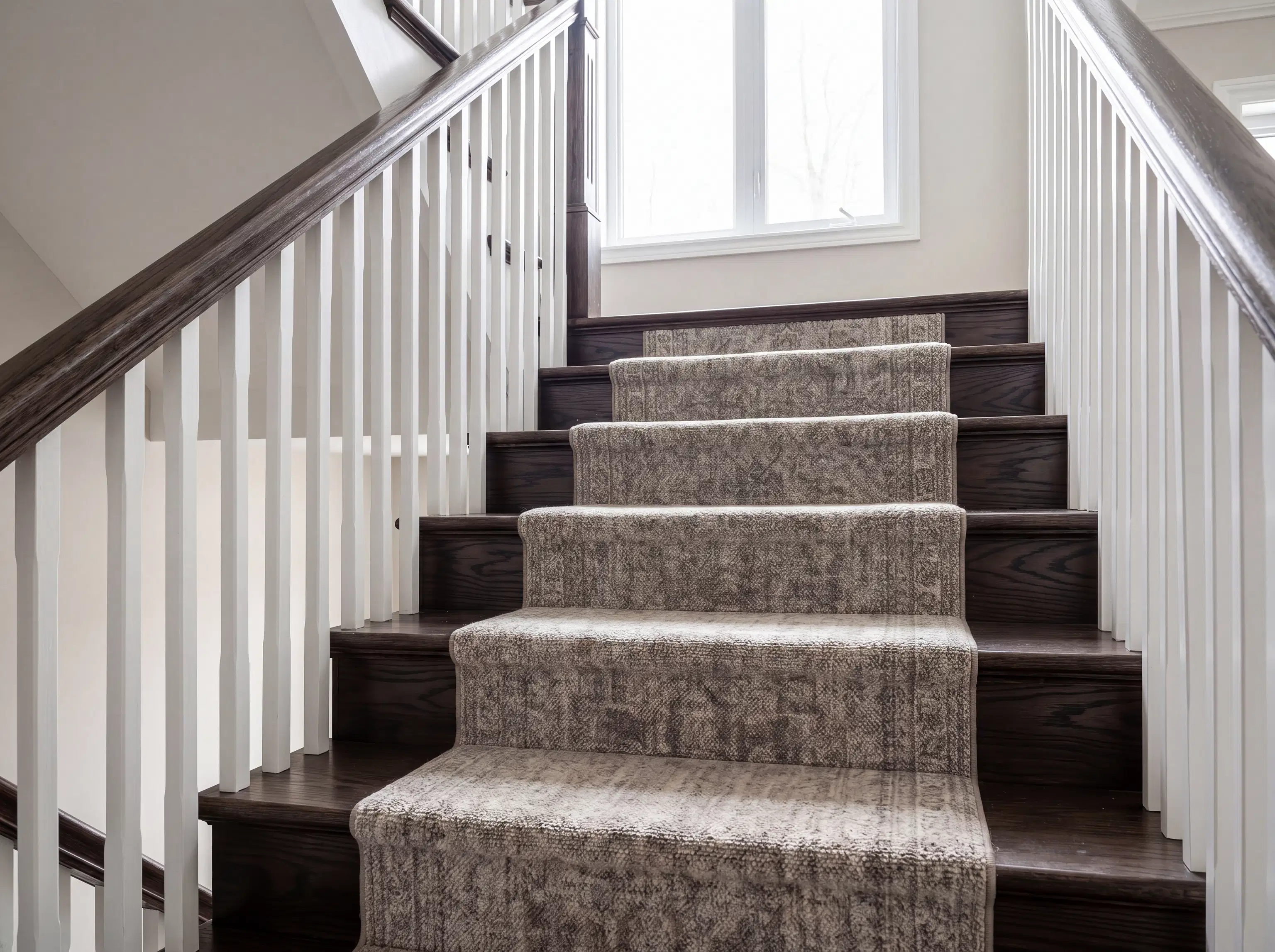
The Unique Challenges of Heritage Staircase Projects
Working on older properties is rarely a straightforward task. Century-old structures have naturally settled over time, meaning there is rarely a true right angle left in the building. Homeowners frequently express frustration over the difficulty of finding reliable contractors who truly understand the complexities of period correct heritage stair tread repair. Many modern builders are accustomed to working with newer homes and often rely on composite materials, veneers, or quick hardware fixes that simply do not match the enduring quality of the original construction.
When dealing with historical structures, the goal is never to hastily rip out and replace character-defining elements unless absolutely necessary. Instead, the focus should be on meticulous restoration. This requires a deep understanding of historical staircase restoration traditional joinery, as well as the ability to source or custom-mill solid wood that matches the exact species, age, and grain pattern of the existing woodwork. Removing decades of old varnish, repairing split treads, and reinforcing weakened stringers requires patience and specialized expertise.
The Importance of Solid Wood and Traditional Joinery
We frequently hear from homeowners in historic enclaves like Dundas who have had negative experiences with previous renovations that quickly showed their age or failed to respect the home's original architecture. We firmly believe that the key to a successful historical restoration lies heavily in the materials and the methods used.
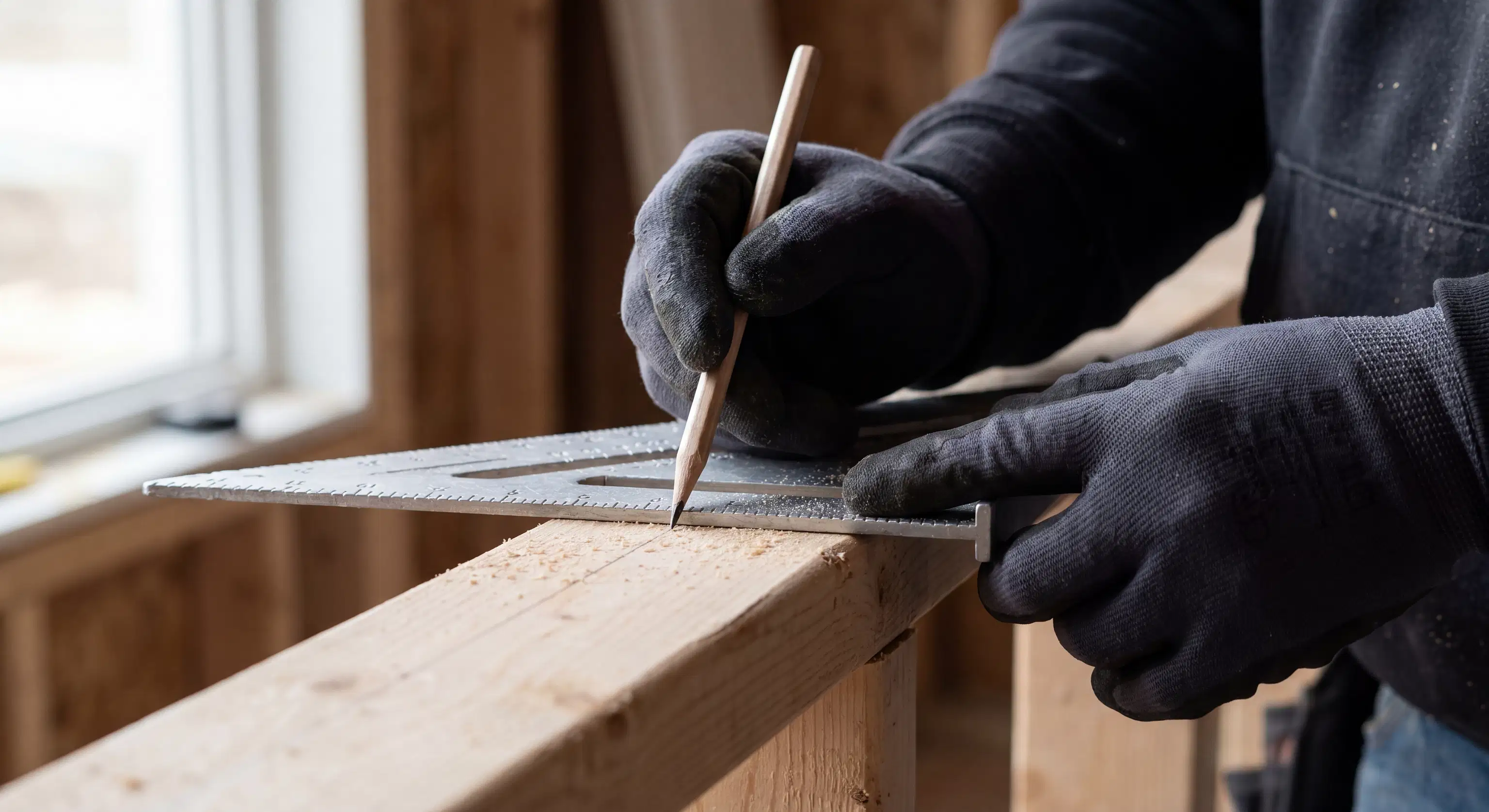
Our approach centers on high-quality craftsmanship, specifically utilizing premium solid wood materials and time-tested traditional joinery techniques. Whether we are meticulously crafting a custom solid wood curved handrail reproduction or stabilizing a wobbly newel post, we completely avoid the shortcuts of modern manufactured composites. Traditional joinery—such as mortise and tenon, dovetails, and wooden doweling—allows the wood to naturally expand and contract with the changing Ontario seasons without splitting or losing its structural integrity. This dedication to authentic building methods is what truly sets a proper, lasting restoration apart from a standard cosmetic update.
Integrating Custom Built-Ins for Modern Living
While preserving the past is crucial, we also know that modern families need homes that work for their current lifestyles. In many older homes, the space beneath a grand staircase is either walled off completely or utilized as a dark, inefficient closet. Because our true passion and primary focus at Plume Fine Carpentry is crafting high-end cabinetry and custom built-ins, we love helping homeowners reimagine this unused footprint during a staircase renovation.
Imagine opening a beautifully paneled, solid wood door that perfectly matches your period-correct stair treads, revealing pull-out shoe storage, a hidden home office nook, or an elegant display bookshelf. By applying the exact same traditional joinery and solid wood construction to your built-ins as we do to your balustrades, we create a unified, historically sensitive design that meets the demands of modern family life without compromising your home's aesthetic integrity.
What to Expect During Your Project
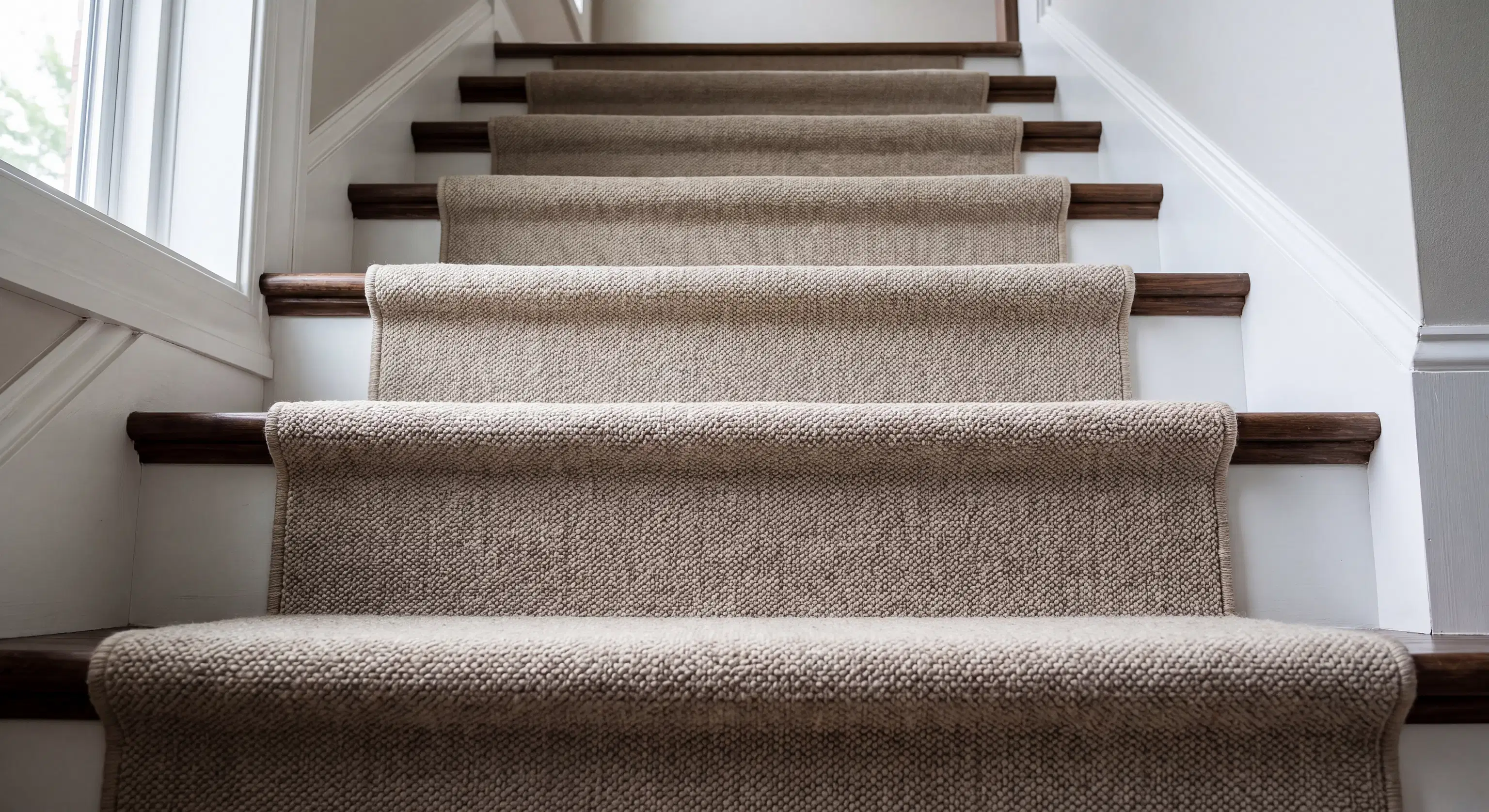
A common question we receive from clients planning a staircase remodeling project involves the timeline and the potential disruption to their daily lives. We recognize that living in a home while it is under construction can be stressful. That is why transparent communication, accurate estimating, and meticulous project management are fundamental to how we operate.
The process typically begins with a thorough structural assessment of your existing staircase to determine what can be salvaged and what needs to be faithfully reproduced. Because custom milling and authentic joinery take time, we provide a clear, detailed timeline upfront. By managing the workflow carefully and maintaining a clean, highly organized workspace, we minimize the impact on your family's routine. Whether we are seamlessly matching a 120-year-old spindle or reinforcing the underlying carriage of the stairs, every step is handled with precision, care, and total transparency.
Preserving Your Home's Legacy
Your historic home deserves the utmost respect, and its architectural details should be preserved with the highest level of craftsmanship. Choosing to invest in genuine solid wood and traditional joinery not only honors the original artisans who built your home, but it also significantly enhances the value, safety, and character of your property for decades to come.
If you are looking to breathe new life into your home's original woodwork or want to seamlessly integrate custom built-in cabinetry into your historic space, we would love to hear your vision. Contact Plume Fine Carpentry today to schedule a consultation and learn more about our custom woodworking and restoration services across the Escarpment. Let us help you ensure that the heart of your home remains as sturdy and stunning as the day it was built.